Is It True that … Cycling Affects Fertility?
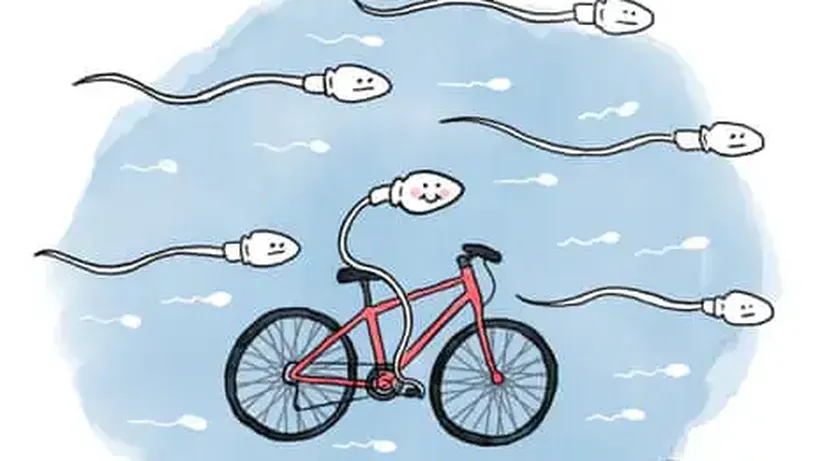
“Cycling isn’t big on the radar of fertility doctors,” says Prof Colin Duncan, a fertility expert at the University of Edinburgh.
For women, he says, the only time cycling is likely to affect fertility is when it’s done at extreme levels, such as the kind of training undertaken by elite athletes.
“Doing huge amounts of physical activity can lower body fat, and that can switch off the ovaries,” he says. “Elite athletes may stop having their periods and reduce their fertility.”
For men, things are a little different. Sitting on a bicycle saddle for prolonged periods can increase the temperature around the testicles, “almost incubating them”. This can affect sperm production, because sperm develop best at a cooler temperature – one reason the testicles are located outside the body.
double quotation markIf you’re doing extreme cycling, it will change your sperm count a little
But for most men, Duncan says, this isn’t something to worry about. “The testicles produce way more sperm than is actually required for fertility.
“If you cycle a normal amount, it’s still going to make absolutely no difference at all. But if you’re doing extreme cycling, it will change your sperm count a little.”
Even then, he says, the impact is more likely to matter for men whose sperm count is already borderline. “If you’ve got a really good sperm count, it probably doesn’t make an awful lot of difference. You’ve still got a lot of sperm there that are swimming.”
In fertility clinics, Duncan says he’ll consider lifestyle factors when assessing a patient’s sperm sample. “If there are abnormalities I’ll get a sense of what their lifestyle is like and talk about changes,” he says. “If you’re doing certain things to excess – smoking, drinking, saunas – it’s probably worthwhile moderating that.”